Oct 01, 2026
12 min read
Support independent cultural criticism by subscribing to Soraya [dot] Press. Upgrade to a membership to sustain and grow this publication, or leave a tip. Thank you!
Edited by Steve Reiss
We need to talk about how algorithms shape modern television, the discourse around it, and why it matters.
Recently, critic Taylor Crumpton found herself on the nasty end of a social media dogpile for a review she wrote largely panning Netflix’s reboot of A Different World, the much-loved sitcom that followed Denise Huxtable of The Cosby Show to a fictional Richmond, Virginia HBCU called Hillman College.
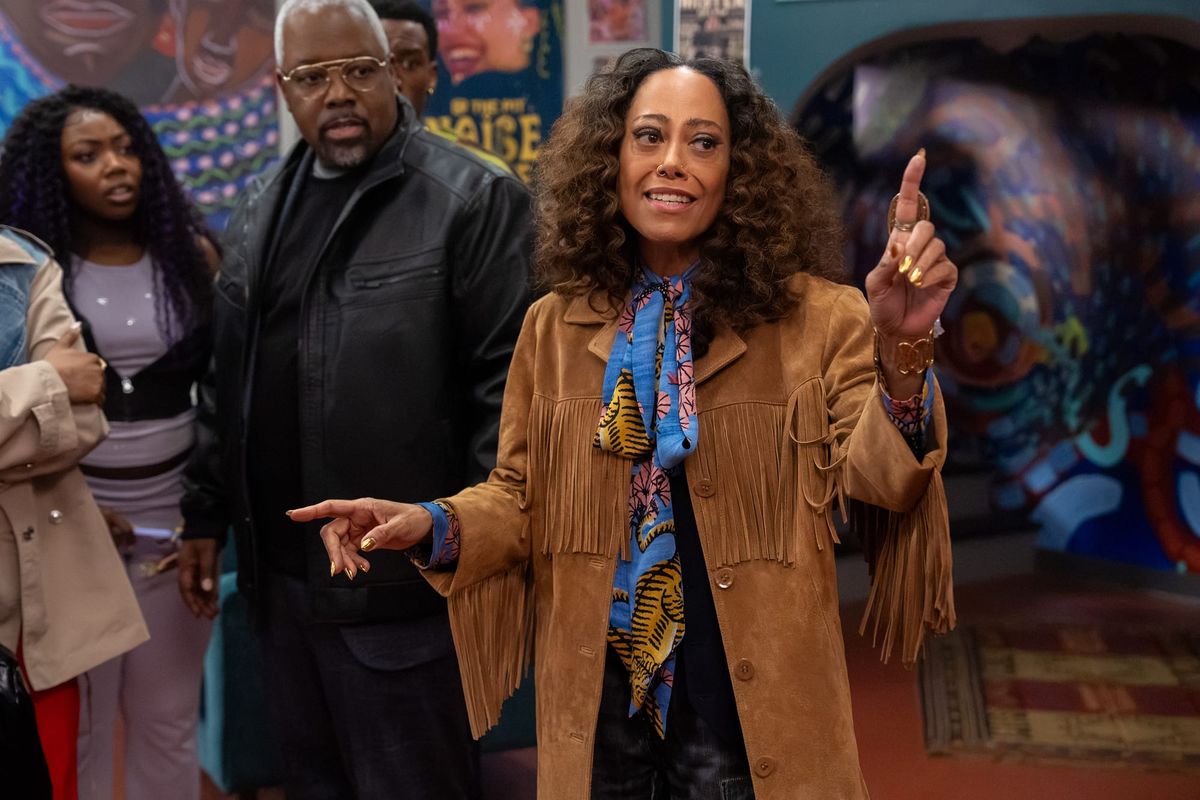
The new World returns to Hillman, centering on the modern day obstacles facing Deborah Wayne (Tony winner Maleah Joi Moon), the youngest daughter of Dwayne Wayne (Kadeem Hardison) and Whitley Gilbert (Jasmine Guy). Deborah (pronounced De-BOR-ah, with three distinct syllables) enters her freshman year as Hillman’s most notorious nepo baby. Her father, who was serving as provost, quickly gets promoted to interim president when his predecessor is caught embezzling funds. Whitley, meanwhile, is a successful beauty mogul who has made so much money that she financed the renovation of her daughter’s dorm, now named Whitley Gilbert Hall.
The reboot is clearly set in a Trumpian America, though the president’s administration remains a nebulous, unnamed villain. Hillman faces existential troubles in the form of severe federal budget cuts that are somehow magically resolved at the season’s end thanks to a senator and a congresswoman who are Hillman alumni. A Different World closes with an ICE agent demanding that two foreign students produce their papers. But overall, A Different World feels sweetly anodyne, even patronizing, toward student radicalism, especially when it makes Deborah its chief organizer.
The show’s first 10-episode season has been in Netflix’s Top 10 carousel of shows streamed in the United States since it debuted September 24. UPDATE: Netflix renewed A Different World for a second season, 8 days after its debut, Deadline reported.
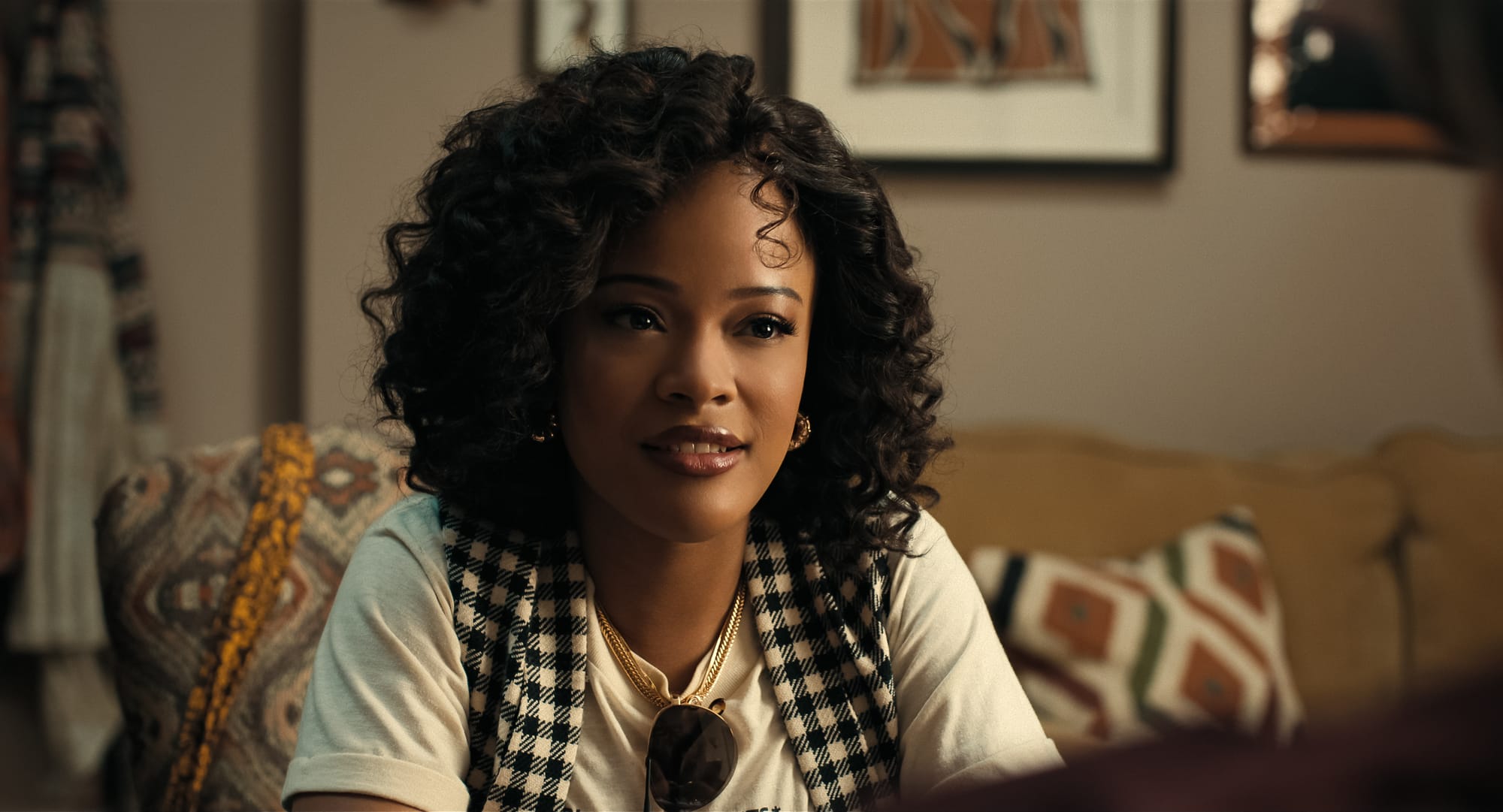
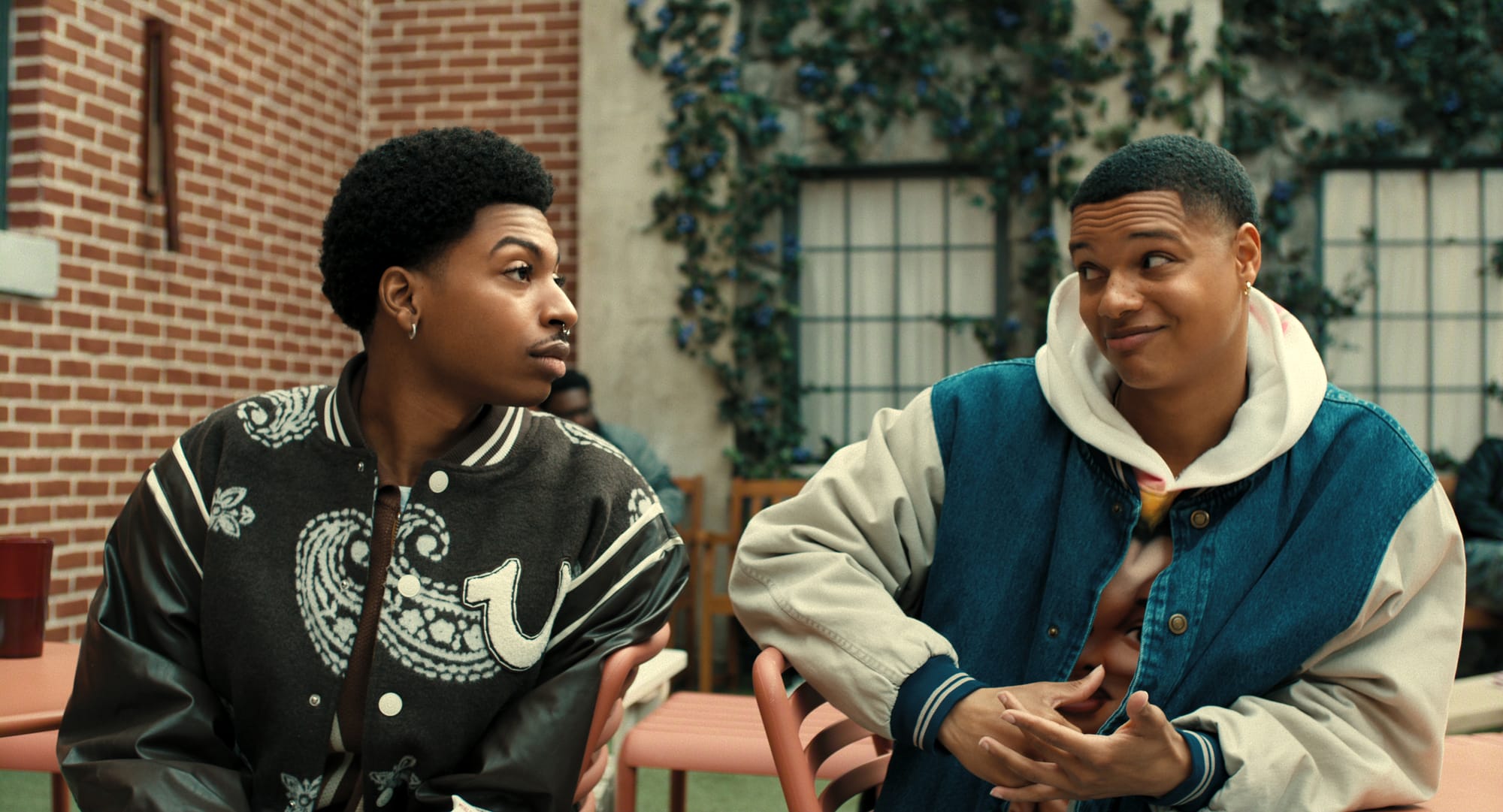
I found the reboot’s directorial style and its pacing muddled, though it grows more confident in the latter half of the season. Most of its new central characters feel less developed than their 1987 predecessors. The breakout exception is Amir (Jordan Aaron Hall), a queer freshman who is trying to rebuild his life after having to defer enrollment because he was arrested and spent a year in juvenile hall. In Hall’s hands, Amir is a witty, well-rounded charmer of a character, comfortable with himself and his queerness, and practiced in the art of advocating for himself, too. His mouthy advocacy is valuable, as Amir spends his first year struggling to obtain student housing.
“What irks me about this reboot is the current crop of young Black executives and creatives in Hollywood are so adamant about working with living legends or making glorified fan fictions with an existing IP, that a new story cannot be told,” Taylor texted me. “It’s stifling of a radical Black imaginary future,” Crumpton continued. “In the light of all the college activists who have been expelled or facing charges from the government, it’s weird for a show to highlight defunding of HBCUs but never explicitly state Trump or the education secretary by name.”
I had reached out to her, four episodes into my own viewing, because the show felt anemic and cutesy in a way that is common among Netflix originals, particularly ones trading on the draw of nostalgia. The reasons for those deficiencies are largely structural, informed by rapid transitions in the television landscape over the last decade that were spurred by Netflix’s enormous, algorithmic data-driven approach. I don’t agree with all of Taylor’s objections, but her broad diagnosis, that this reboot feels blander and more timid than the original show—particularly after Debbie Allen took over as showrunner in 1988— is worth further discussion. As my former Washington Post colleague Jen Chaney noted in her review for RogerEbert.com, fan service may be dutiful, but it quickly grows dull.
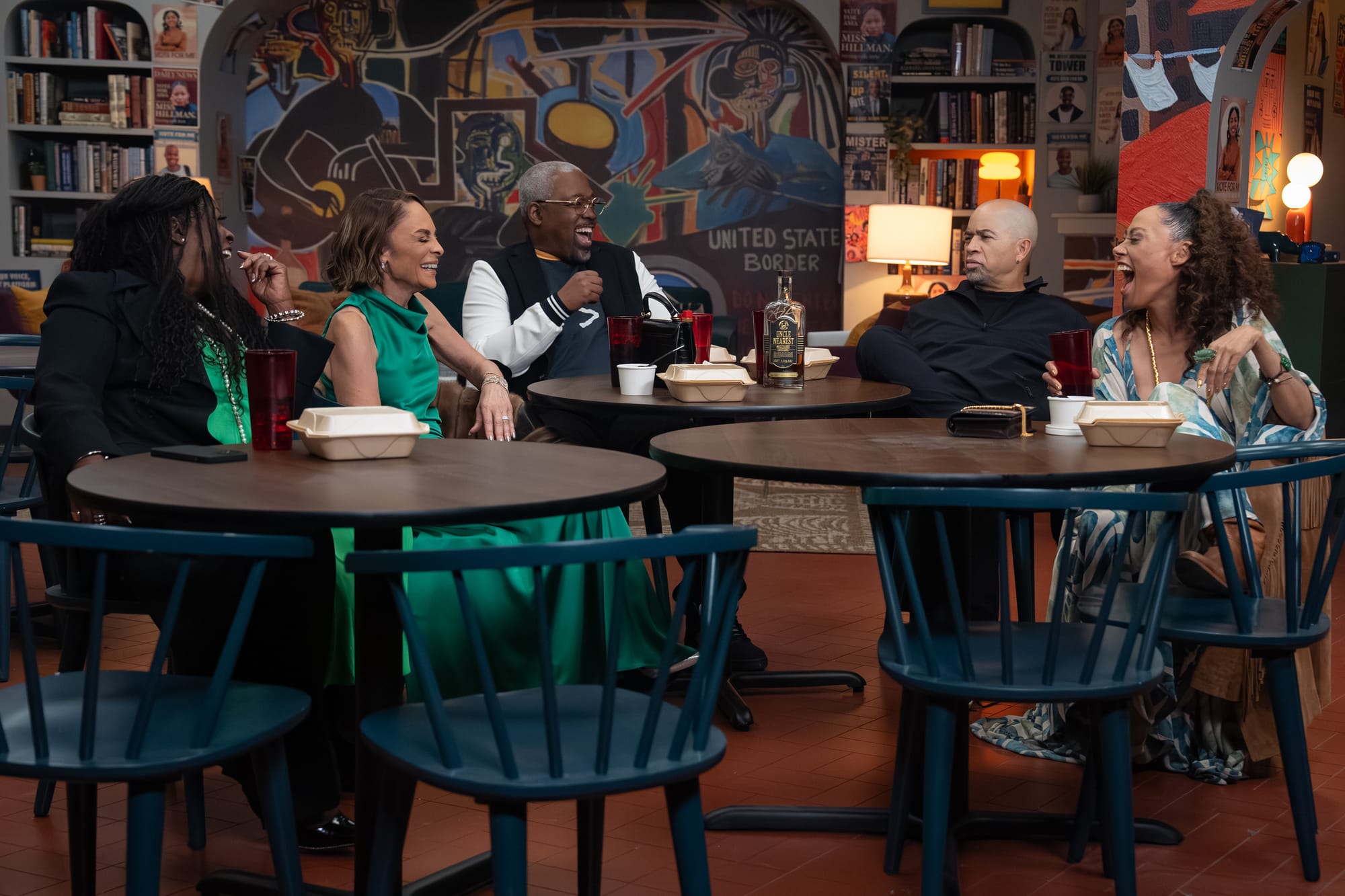
Because the original A Different World was a broadcast network, three-camera sitcom, we should take a minute to understand how that shaped its strengths during its original run on NBC from 1987-1993. I’ve been thinking about the evolution of television a lot lately, and spent quite a bit of time watching network sitcoms from the 1980s and 1990s as I prepared to be a talking head for a documentary on the form. The structure of those comedies is noticeably different from modern streaming shows because they were filling different needs and their writers faced different challenges.
One thing that’s apparent in watching classic sitcoms is how much they were informed by the rigors and problem-solving practices of theater. The sets are relatively simple, perhaps two or three rooms at most. The writing and the frequency of jokes is denser because an entire story had to fit into 22 minutes, leaving the remaining 8 for commercials. Commercials taught audiences five-act story structure by doubling as act breaks. They shaped not only the contours of episodes, but season-long arcs. Working on a network sitcom taught writers to compose dialogue with zippy economy, while filming in front of a live studio audience provided actors with instant feedback that shaped and shaded their characters and how they played them. Weekly episode releases incentivized the use of cliffhangers, which kept audiences tuning in to find out what was going to happen next.
When Netflix introduced Orange is the New Black and House of Cards in 2013, it set off a multiyear shift reshaping how audiences consume television. You could watch an entire season in one sitting without having to wait several months for all of the episodes to air and then be released in a DVD box set. An established film director, David Fincher gave House of Cards its prestige-coded cinematography, anchored by cast members Kevin Spacey and Robin Wright who were already well-regarded as film stars. Its showrunner, Beau Willimon, was untested in the world of television writing, but he knew his way around a political thriller, having penned the screenplay for The Ides of March. Orange Is the New Black was similarly shaped by creator Jenji Kohan’s previous experience as showrunner on the Showtime comedy series Weeds. Her plot and pacing choices on Orange is the New Black made it propulsive and instantly addictive.
That paradigm shift, in which Netflix trained viewers to expect releases of entire seasons of television at one time, shaped how the company would determine and reward metrics in the future. Because it had such deep pockets at the time, Netflix could afford to experiment and spend eyewatering sums per episode. Of course, Netflix’s profligacy could not continue in perpetuity, especially not after traditional networks began to invest in streaming to compete with the new behemoth running up the prices on everything— actors, showrunners, every part of the production process. By 2017, the wave Netflix set off had grown into the tsunami FX chair Jon Landgraf famously christened as “Peak TV.”
Now, nearly a decade later, we’re seeing how those shifts are shaking out, especially in the wake of the covid pandemic and the 2023 strike by the Writers Guild (WGA).
One of the changes ushered in by the content rush of Peak TV was the mini room, a supposed money-saver that became one of the primary sticking points during the strike, which stretched for 148 days. Mini rooms embody what happens when shrinkflation hits writers rooms.
BJ Colangelo, writing for Slash Film, summed up the labor and compensation issues that make mini rooms so hated:
The size of a traditional writers' room varies greatly on factors like scope, budget, and experience level of those on staff, but the average writers' room is usually composed of 7-10 staff writers to write and produce 10 episodes of TV for 12-22 weeks. This time frame includes rewriting material as needed as the show starts to film episodes. Comparatively, mini-rooms are often 8-10 weeks long but occur before a show is even greenlit and features a smaller team of writers. Since the show has yet to be greenlit but is putting together an entire season, the writers are paid less to do more work, and the work is always at risk of never being seen because the studio can still decide not to greenlight the series, or shelve it for months at a time.
While television writers understandably took issue with mini rooms as a form of labor exploitation, critics like myself disliked them because their use tended to coincide with degraded quality. Mini rooms reduce or even eliminate the amount of rewriting that writers used to regularly perform on set. That’s how TV writers progressed up the experience hierarchy to producer, by being present during filming, tweaking dialogue or storylines to better suit the actors and the show. They could rewrite the show around spontaneous problems—the kind that cannot be anticipated until production begins. When mini rooms are used, rewrites fall to the showrunner, who is already managing and running the entire production. Those nuances can make the difference between a memorable show and a maddening one.
The thing I find repeatedly frustrating about Netflix releases is that they are often in need of stronger development and world building, more disciplined story editing, or both. At the height of Peak TV, Netflix was notorious for producing seasons that were too long, with plotting stretched thin as muslin, because their business model was to keep viewers watching for long stretches.
So what does all of this have to do with the reboot of A Different World and Taylor’s objections to it?
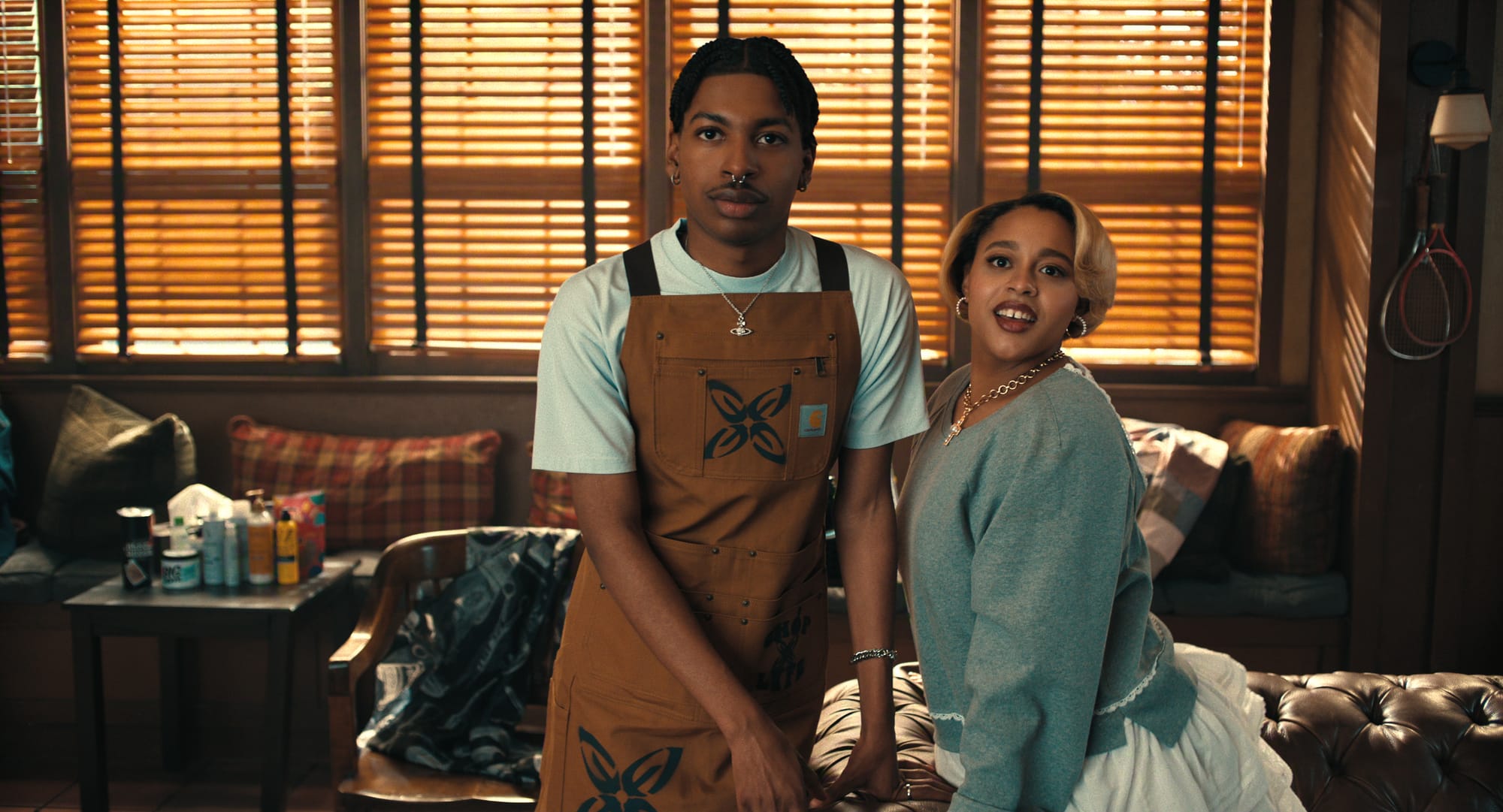
For starters, the single-camera direction of the early episodes doesn’t have a definitive visual voice. The tone, which I found plodding and didactic, leans more towards soap opera than comedy. A Different World sports a visual glossiness that is suggestive of higher production values overall, but lacks the balance of a good dramedy because the world and character building is missing friction, texture, and density. The absence of board members, faculty, and administrators who are members of a graduating class other than Dwayne and Whitley strains credulity. Naivete lurks in the show’s easy resolutions, veering dangerously toward after-school special. Rather than serving as a mirror to the respectability tensions that exist on every HBCU campus, A Different World engages in more defensive apologia than necessary, even as it depicts rebellion toward administrators.
This is creator Felicia Pride’s first crack at showrunning. Previously, she wrote on Queen Sugar, Grey’s Anatomy, and Bel-Air. Every showrunner folds their previous experience into the work they make, which is why, even as the back half of the season exhibits more confidence, it also spends a lot of time consumed with the melodrama of various romantic entanglements. The straight people problems in this show are rote, but the depiction of a triangle between Amir, Jalen (Elijah J. Roberts), and Hazel (Kennedi McClure) is commendable, even if its easy resolution also strains credulity. That’s what I mean about A Different World lacking friction: every character on this show communicates as though they’re getting straight As from their psychotherapists. Stilted delivery and a lack of rhythm in the dialogue of early episodes made me wonder how much rehearsal time the actors—both the veterans and the new cast—had prior to shooting, and whether there were any writers on set making script changes during filming. How many writers or assistants on the show are members of gen alpha or gen Z?
These are the sort of questions critics and journalists used to be able to ask at the semiannual Television Critics Association press tour, another casualty of the recent past. The demise of the press tour and of full size writers rooms disproportionately affected younger and newer writers who most needed them for the learning experience they provided.
TCA press tours were in-person events in California. Television critics from all over the country would fly into Los Angeles or Pasadena for a week or two. Networks and streamers presented their latest offerings, and actors, writers, and producers would sit on panels to take questions about new work and the state of the television industry at large. Network executives, such as HBO’s Casey Bloys, or FX’s John Landgraf would turn up for executive sessions and answer questions, too.
If you were new to the job, as I was in 2016 when I attended my first press tour, simply sitting and listening to veteran critics and journalists was a great way to learn how to do the job and get better at it. It takes experience, both in writers rooms, and on production sets, to attain the mastery and instincts that undergird exciting work. When networks pressure creators to construct shows around algorithmically determined dopamine hits, that's not a system of art making, or even hackery. It's just cynical manipulation.
Because of the racial and ethnic balkanization of the business, when opportunities shrink overall, the effects are even harsher for television makers of color. UCLA’s December 2025 report on diversity in streaming television found that 91.7 percent of the top 250 scripted shows of 2024 were created by a white person. And 79 percent of all show creators were white men, up from 77.3 percent in 2023. Meanwhile, 80 percent of roles went to white actors, far outstripping the demographics of the country, which is roughly 44 percent nonwhite. At the same time, women and people of color are overrepresented as viewers of those shows.
Similar balkanization in news and criticism has deleterious effects, too. One of the recurring complaints I see on Threads is a yearning for “real journalists” and “real journalism.” News consumers understand something has shifted in how they stay informed that makes information less trustworthy and less reliable. I’m not sure they understand why or how that happened.
When I started attending the TCA press tour in 2016, I was horrified to see how few Black journalists and critics were in the room. The disproportionate whiteness of mainstream news organizations is one of the factors that fuels an alternate promotional system for shows seeking viewers of color. In that system, influencers and bloggers, not critics and journalists, are the primary interlocutors. I’ll never forget being invited to participate in one such junket for Black media. At a reception following the press conference at a tony Beverly Hills hotel, a director asked me how I liked my accommodations, paid for by the network. I explained that for ethical reasons, I wasn’t staying there. Instead, my news organization covered the cost of the trip. I was staying at another hotel nearby to avoid even the appearance of any conflict of interest.
“Oh!” the director said with surprise. “You're a real journalist!”
Sign up for Soraya [dot] Press
culture | criticism, commentary & reporting from Soraya Nadia McDonald
No spam. Unsubscribe anytime.
When creative infrastructures are repeatedly eroded, the end product they're meant to support starts to collapse, often in a way that people don't realize until the differences are too stark to ignore. The ramifications of that enshittification are difficult to appreciate as it’s happening, especially when so much of the infrastructure was previously invisible. (This is why I insist on a credit line for editors on Soraya [dot] Press. Readers need to understand just how much labor, people, and time it takes to produce a piece of reliable, credible writing.)
When criticism perpetuates exclusion and accepts this racial homogeneity in the field, that's bad for readers, audiences, critics, artists, and studios. Not only must critics double down on the work of expanding and diversifying our ranks, we also must become more invested in building and sustaining the field rather than ceding those responsibilities to others. That work is vital to our most precious currency: trust.
Otherwise, when a critic raises valid issues with a piece of work, it becomes far too easy to dismiss them, especially when doing so feels like an act of racial solidarity.
Cost-cutting networks may benefit from rifts between readers and critics, but ultimately, it’s the art, the artmakers, and viewers who suffer. And hey, Netflix: don’t use this essay as an excuse not to renew A Different World. Use it to understand where the show could benefit from an increase in resources as the writers working on it try to build healthy careers. As the UCLA data show, among television creators, Felicia Pride is a unicorn, a status that comes with additional, undue burdens.
Netflix has the power to change that reality, assuming it’s brave enough and willing to do so.